
Brush Cutter Manual: A Comprehensive Guide
This manual details essential brush cutter upkeep, covering weekly cleaning, monthly inspections of the starter rope, and crucial engine maintenance procedures for optimal performance.
Brush cutters are powerful tools designed for tackling dense vegetation, overgrown areas, and challenging terrain where standard lawnmowers fall short. These versatile machines utilize rotating blades or string heads to efficiently cut through grass, weeds, brush, and even small trees. Understanding the capabilities and limitations of your brush cutter is paramount for safe and effective operation.
This manual serves as a comprehensive guide, providing detailed instructions on assembly, operation, maintenance, and troubleshooting. Whether you’re a homeowner maintaining your property or a professional landscaper, this resource will equip you with the knowledge to maximize the lifespan and performance of your brush cutter. Regular maintenance, as outlined within, is key to preventing costly repairs and ensuring years of reliable service.
Safety Precautions
Operating a brush cutter involves inherent risks; therefore, strict adherence to safety precautions is crucial. Always wear appropriate personal protective equipment (PPE), including safety glasses, hearing protection, sturdy gloves, long pants, and robust footwear. Before each use, inspect the cutting head and ensure all guards are securely in place.
Never operate the brush cutter without a firm grip and stable footing. Be acutely aware of your surroundings, keeping bystanders, pets, and obstacles at a safe distance. Avoid using the machine in wet or slippery conditions. Always disconnect the spark plug before performing any maintenance or adjustments. Proper training and a thorough understanding of this manual are essential for safe operation and preventing serious injury.
Understanding Brush Cutter Components
A brush cutter comprises several key components working in unison. The engine, whether 2-stroke or 4-stroke, provides the power. The drive shaft transmits this power to the cutting head. Cutting heads vary – blades for thick brush, and string heads for grass and lighter vegetation. The fuel tank and oil reservoir (for 2-stroke) supply necessary fluids.
Essential controls include the throttle, on/off switch, and choke. The starter mechanism initiates engine combustion. A vibration dampening system minimizes operator fatigue. The guard protects against flying debris. Familiarizing yourself with each component’s function and location is vital for safe operation, effective maintenance, and troubleshooting potential issues.

Assembly and Initial Setup
Proper assembly is crucial for safe operation. This involves unboxing, inventory verification, securely attaching the cutting head, and preparing the fuel/oil mixture if needed.
Unboxing and Inventory
Carefully unpack your new brush cutter, ensuring you have ample space to avoid damaging components. Begin by inspecting the box for any signs of shipping damage before opening. Once opened, lay out all the parts and compare them against the parts list included in the manual.
Verify the presence of the brush cutter itself, the cutting head (blade or line), safety guards, handles, a fuel mixing bottle (for 2-stroke models), tools (wrenches, screwdrivers), and this operator’s manual. Note any missing parts immediately and contact the retailer or manufacturer for replacements. Retain the packaging materials for potential returns or warranty claims. A thorough inventory ensures a smooth assembly process and prevents frustration later on.
Attaching the Cutting Head
Before attaching the cutting head, always disconnect the spark plug wire to prevent accidental starting. Identify the correct cutting head – blade or line – for your intended task. Most brush cutters utilize a quick-release mechanism. Align the head with the drive shaft and firmly push it onto the shaft until it clicks securely into place.
Ensure the head is properly locked by attempting to remove it; it should not budge. If your model requires a nut and bolt, tighten them securely with the provided wrench. Double-check that the safety guard is correctly installed and positioned to deflect debris. A properly attached cutting head is crucial for safe and efficient operation, preventing potential hazards during use.
Fueling and Oil Mixing (2-Stroke Engines)
For 2-stroke engines, precise fuel mixing is vital. Always use fresh, high-quality gasoline and 2-stroke oil specifically formulated for air-cooled engines. Consult your brush cutter’s manual for the correct fuel-to-oil ratio – typically 25:1 or 50:1. Pour the required amount of oil into an approved fuel container, then add the gasoline.
Thoroughly shake the container to ensure a homogenous mixture. Carefully pour the fuel mixture into the brush cutter’s fuel tank, avoiding spills. Never use straight gasoline in a 2-stroke engine, as this will cause severe damage. Improper mixing can lead to engine failure and void your warranty. Always fuel in a well-ventilated area.

Operation and Techniques
Mastering brush cutter operation involves safe starting, proper cutting stances, and adapting to varied terrains for efficient vegetation control and user safety.
Starting the Brush Cutter
Before initiating the start-up sequence, ensure the cutting head is clear of obstructions and positioned on a stable surface. For 2-stroke engines, verify the fuel mixture is correct and the fuel tank is adequately filled. Engage the choke, typically by sliding a lever, and set the throttle to the starting position. Firmly grasp the starter handle and execute a smooth, controlled pull – avoid rapid jerks.
Repeat the pulling motion until the engine attempts to ignite. Once a sputter is heard, disengage the choke and continue pulling until the engine runs consistently. For electric start models, simply press and hold the start button. Always maintain a secure grip and be prepared for the engine to recoil during starting. Prioritize safety by keeping hands and feet clear of the rotating parts.
Proper Cutting Techniques
Employ a sweeping motion, moving from side to side, allowing the cutting head to do the work – avoid forcing the cutter through dense vegetation. Maintain a safe distance from obstacles like trees, fences, and rocks. When cutting grass or weeds, work in a controlled manner, overlapping each pass slightly to ensure a clean cut. For brush and small saplings, approach at a slight angle, gradually increasing cutting depth.
Always maintain a firm grip on the handles and keep your body balanced. Be mindful of the cutter’s recoil and potential kickback. Avoid cutting above waist height, and never cut towards yourself or others. Regularly inspect the cutting head for damage and replace worn or broken parts immediately. Prioritize safety and wear appropriate protective gear.
Navigating Different Terrain
On slopes, always cut across, never up and down, to prevent losing control and ensure stability. Reduce speed and maintain a wider stance for increased balance. In uneven terrain, be prepared for sudden changes in ground level and adjust your cutting technique accordingly. When encountering thick brush or dense vegetation, slow down and use short, controlled sweeps.
Be cautious of hidden obstacles like rocks, roots, and holes. Regularly check the ground ahead for potential hazards. Avoid operating the brush cutter in extremely wet or muddy conditions, as this can reduce traction and increase the risk of slipping. Adapt your speed and cutting angle to the specific terrain, prioritizing safety and control at all times.

Maintenance Schedule
Regular upkeep ensures longevity and performance. This schedule outlines weekly cleaning, monthly inspections, and detailed engine maintenance for a reliable brush cutter.
Weekly Maintenance
Consistent weekly maintenance is crucial for a brush cutter’s reliable operation and extended lifespan. Begin with a thorough cleaning of all external surfaces, removing grass, debris, and accumulated dirt. This prevents corrosion and ensures proper cooling. Pay particular attention to the cooling fins on the engine, as blockages can lead to overheating. Inspect the safety guards and ensure they are securely fastened and free from damage. A quick visual check for loose bolts or screws is also recommended. After each use, lightly tap the air filter to dislodge any surface dust, maintaining optimal airflow to the engine. Remember, a clean machine operates more efficiently and safely.
Cleaning External Surfaces
Regularly cleaning the external surfaces of your brush cutter is a fundamental maintenance task. After each use, or at least weekly with frequent operation, remove accumulated grass, leaves, and debris. Utilize a brush, compressed air, or a damp cloth – avoid high-pressure water which can damage components. Focus on the engine cooling fins, ensuring they are unobstructed for efficient heat dissipation. Inspect and clean the safety guards, ensuring visibility and proper function. A clean exterior prevents corrosion, facilitates early detection of damage, and contributes to overall machine longevity. Prioritize a thorough cleaning to maintain peak performance and safety.
Monthly Maintenance
Consistent monthly maintenance extends your brush cutter’s lifespan and ensures reliable operation. This includes a detailed inspection of the starter rope handle for wear and tear, replacing it if frayed or damaged. Critically, check and clean or replace the air filter, preventing engine damage from debris. Examine all bolts and fasteners, tightening any that are loose. Inspect fuel lines for cracks or leaks, and check the throttle cable for smooth operation. A visual assessment of the cutting head and shaft is also crucial, looking for any signs of damage. Prioritizing these checks maintains optimal performance and safety.
Examining the Starter Rope Handle
Regularly inspecting the starter rope handle is vital for easy starting and preventing frustrating failures. Check for fraying, cracking, or any signs of wear on the handle itself and where it connects to the starter mechanism. A damaged handle can lead to difficulty pulling the rope, or even a complete inability to start the engine. If the handle feels loose, investigate the securing knot or clip. Replace the entire rope if significant wear is detected, as a broken rope renders the brush cutter unusable. Prioritize a firm, secure grip and smooth operation for reliable starts.
Checking and Replacing the Air Filter
A clean air filter is crucial for optimal engine performance and longevity. Inspect the air filter after every 8-10 hours of use, or more frequently in dusty conditions. Remove the filter and gently tap it against a hard surface to dislodge loose debris. For heavily soiled filters, a mild detergent and water can be used, ensuring it’s completely dry before reinstallation. A clogged air filter restricts airflow, leading to reduced power and increased fuel consumption. Replace the air filter if it’s damaged, torn, or cannot be adequately cleaned. Maintaining a clean filter protects the engine from abrasive particles.
Engine Maintenance
Regular engine maintenance is vital for a brush cutter’s reliable operation. This includes checking and replacing engine oil (for 4-stroke models) at recommended intervals, typically every 25-50 hours of use, or annually. Consistent oil changes ensure proper lubrication and reduce wear. Thoroughly clean the air filter after each 8-10 hours of mowing, or replace it if damaged. Inspect the spark plug annually, cleaning or replacing it as needed to maintain optimal ignition. Proper maintenance extends the engine’s lifespan and prevents costly repairs, ensuring consistent power and performance.

Checking and Replacing Engine Oil (4-Stroke Engines)
For 4-stroke brush cutters, regularly check the oil level before each use. Locate the dipstick, clean it, reinsert fully, and then remove to read the level – it should be between the minimum and maximum marks. Replace the oil every 25-50 hours or annually, using the manufacturer’s recommended grade. Warm up the engine briefly, then carefully drain the old oil. Replace the oil filter simultaneously for optimal performance. Ensure proper disposal of used oil according to local regulations. Maintaining correct oil levels and quality is crucial for engine longevity and efficient operation.
Cleaning the Air Filter (Detailed Procedure)
Regular air filter cleaning is vital for engine health. First, disconnect the spark plug wire for safety. Locate the air filter housing and remove the cover. Gently tap the filter against a hard surface to dislodge loose debris. For paper filters, avoid washing; instead, replace them if heavily soiled. Foam filters can be washed in warm, soapy water, rinsed thoroughly, and allowed to dry completely before re-oiling lightly with air filter oil. Reinstall the clean or new filter and housing cover, ensuring a tight seal. Clean the filter after every 8-10 hours of use.

Troubleshooting Common Issues
Addressing problems like starting failures, vibrations, and cutting head malfunctions ensures continued safe and efficient operation of your brush cutter.
Engine Won’t Start
If your brush cutter engine fails to start, systematically check several key components. First, ensure fresh fuel is in the tank and the fuel line isn’t obstructed. For 2-stroke engines, verify the correct oil-to-fuel ratio was mixed. Next, inspect the spark plug – it should be clean and properly gapped. A fouled or damaged spark plug will prevent ignition.
Confirm the choke is engaged correctly, especially for cold starts. Also, examine the air filter; a clogged filter restricts airflow. Finally, check the kill switch is in the ‘run’ position. If these steps don’t resolve the issue, professional servicing may be required to diagnose more complex problems within the carburetor or ignition system.
Excessive Vibration
Noticeable excessive vibration during operation indicates a potential issue requiring immediate attention. Begin by inspecting the cutting head for damage or imbalance – a bent blade or uneven wear can cause significant vibration. Ensure all bolts and fasteners are securely tightened, particularly those connecting the engine to the shaft and the cutting head assembly.
Check the anti-vibration system, if equipped, for wear or damage. Worn rubber mounts or dampers will fail to absorb engine vibrations effectively. If the vibration persists after these checks, the engine itself may have internal problems, such as a damaged crankshaft or worn bearings, necessitating professional repair.
Cutting Head Problems
Issues with the cutting head often stem from dull or damaged blades, or improper attachment. Regularly inspect blades for wear, cracks, or bending, replacing them as needed. Ensure the blade is correctly installed with the correct orientation, following the manufacturer’s instructions precisely. A loose or incorrectly fitted blade will vibrate excessively and cut inefficiently.
If using a string trimmer head, check for tangled or broken line. Properly spool new line, ensuring it feeds smoothly. Examine the head mechanism for damage or wear. For brush blades, verify the retaining nut is tightened to the specified torque. Persistent problems may indicate a faulty cutting head assembly requiring replacement.

Advanced Maintenance
For experienced users, advanced tasks include spark plug replacement, carburetor adjustments, and gearbox lubrication, ensuring peak engine efficiency and longevity.
Spark Plug Replacement
Regular spark plug replacement is vital for maintaining optimal engine performance. Begin by disconnecting the spark plug wire, ensuring the engine is cool. Use a spark plug wrench to carefully remove the old plug. Inspect the old plug for signs of wear, fouling, or damage – this provides valuable insight into engine health.
Before installing the new spark plug, check the gap using a feeler gauge and adjust if necessary, consulting your brush cutter’s manual for the correct specification. Carefully thread the new plug into the cylinder head by hand to avoid cross-threading. Once snug, tighten it with the wrench to the manufacturer’s recommended torque. Reconnect the spark plug wire securely. A properly functioning spark plug ensures efficient combustion and reliable starting.
Carburetor Adjustment
Precise carburetor adjustment is crucial for smooth engine operation and fuel efficiency. Begin by ensuring the air filter is clean. Locate the idle speed screw and the high-speed screw on the carburetor. Start the engine and allow it to warm up. Adjust the idle speed screw until the engine runs smoothly at idle without stalling.
Next, adjust the high-speed screw while the engine is under load. Slowly turn the screw in small increments, listening for changes in engine speed. The goal is to achieve the highest speed without engine surging or bogging down. Refer to your brush cutter’s manual for specific adjustment procedures and factory settings. Improper adjustment can lead to poor performance and increased fuel consumption.
Gearbox Lubrication
Maintaining proper gearbox lubrication is vital for extending the life of your brush cutter. Regularly check the gearbox oil level, typically through a designated fill plug. Use only the type of oil recommended by the manufacturer – often a specific gear oil with anti-wear additives. Drain and replace the gearbox oil according to the maintenance schedule, usually after every 50-100 hours of use, or annually.
Ensure the gearbox is properly sealed to prevent contamination from dirt and debris. Inspect the seals for leaks or damage. When refilling, avoid overfilling, as this can create excessive pressure. Proper lubrication reduces friction, minimizes wear, and ensures smooth power transmission from the engine to the cutting head, preventing costly repairs.

Storage and Winterization
Prepare your brush cutter for long-term storage by stabilizing fuel, cleaning thoroughly, and protecting it from the elements to prevent damage and ensure longevity.
Preparing for Long-Term Storage
Proper preparation is crucial when storing your brush cutter for extended periods, like over winter. Begin with a thorough cleaning, removing all grass, debris, and dirt from the cutting head, engine, and exterior surfaces. This prevents corrosion and ensures optimal performance upon retrieval.
Next, address the fuel system. Gasoline can degrade over time, causing starting problems. Drain the fuel tank completely or add a fuel stabilizer to prevent gum and varnish buildup. Run the engine briefly after adding stabilizer to circulate it through the system.
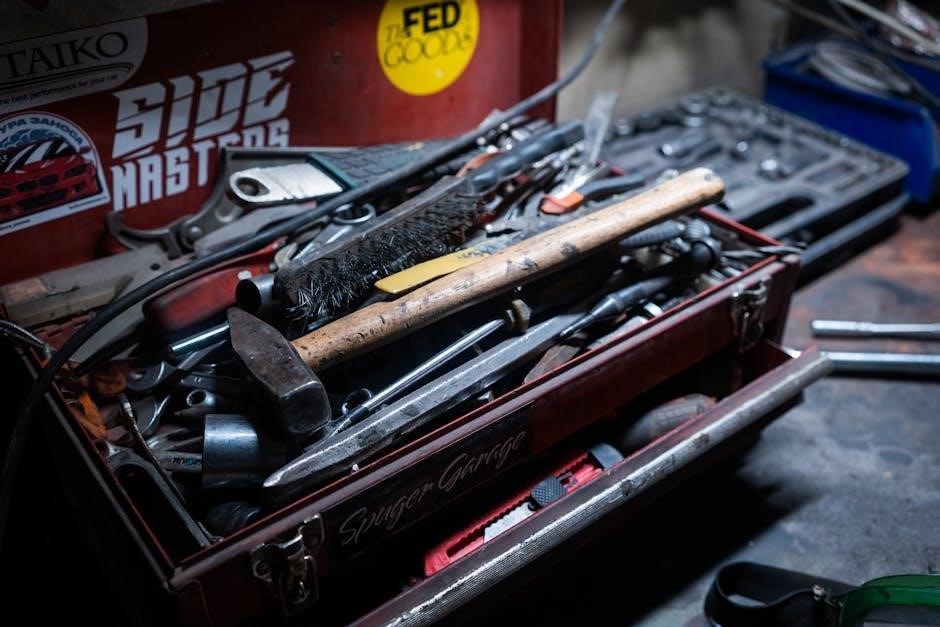
Finally, store the brush cutter in a dry, protected environment, away from direct sunlight and extreme temperatures. A shed, garage, or covered storage area is ideal. Consider a protective cover to shield it from dust and moisture.
Fuel System Stabilization
Gasoline degrades over time, forming gum and varnish deposits that can clog the carburetor and hinder starting. To prevent this during long-term storage, fuel system stabilization is essential. Completely draining the fuel tank is a viable option, but adding a commercially available fuel stabilizer offers a convenient alternative.
Follow the stabilizer manufacturer’s instructions carefully, typically mixing it with fresh gasoline in the fuel tank. After adding the stabilizer, run the brush cutter for a few minutes to ensure the treated fuel circulates throughout the entire fuel system – carburetor, fuel lines, and fuel filter.
This process protects all components from corrosion and ensures easier starting when you’re ready to use the brush cutter again.
Protective Covering and Environment
Proper storage requires shielding your brush cutter from dust, moisture, and extreme temperatures. A breathable cover, like a canvas or fabric sheet, is ideal; avoid plastic tarps, as they can trap condensation, leading to rust and corrosion. Store the unit in a dry, well-ventilated area, such as a shed, garage, or basement.
Avoid storing it directly on a concrete floor, as this can draw moisture. Placing it on a pallet or wooden platform provides insulation. Ensure the storage location is inaccessible to children and pets.
Protecting the brush cutter from the elements and providing a secure environment significantly extends its lifespan and maintains its operational readiness.