
Palm Sunday Sermon Outline: A Comprehensive Plan
This detailed plan focuses on John 12:12-15‚ exploring the historical context and prophetic fulfillment of Jesus’ triumphant entry. It’s designed to connect ancient scripture with modern relevance‚ offering a powerful message for your congregation.
The outline emphasizes the rapid shift from celebration to crucifixion‚ urging reflection on faith and commitment. Visual aids and personalized applications will enhance engagement and understanding for all attendees.
Welcome‚ beloved congregation‚ as we embark on the most sacred week of the Christian year – Holy Week. Today‚ Palm Sunday‚ marks not merely a historical event‚ but a pivotal moment of anticipation‚ hope‚ and ultimately‚ sacrifice. We stand at the threshold of remembering Jesus’ final days‚ a journey culminating in His death and glorious resurrection.
This isn’t simply a recounting of past events; it’s an invitation to participate in the story anew. Palm Sunday‚ as the name suggests‚ is intrinsically linked to the events instigating Jesus’ public crucifixion. Consider the atmosphere – a vibrant‚ expectant crowd‚ waving palm branches‚ hailing Jesus as King. But beneath the surface of joyous celebration lies a foreshadowing of the sorrow to come.
Our focus today will be on John 12:12-15‚ examining the details of Jesus’ entry into Jerusalem. We’ll explore the significance of this moment‚ understanding it not as an isolated incident‚ but as a deliberate fulfillment of prophecy. This sermon aims to prepare our hearts for the profound events of the week ahead‚ urging us to reflect on the true meaning of His kingship and the cost of our salvation. Let us open our hearts and minds to the message of Palm Sunday‚ a message of triumph‚ tragedy‚ and transformative grace.

II. Historical and Cultural Context of Palm Sunday
To truly grasp the weight of Palm Sunday‚ we must journey back to first-century Jerusalem. The city was teeming with pilgrims‚ arriving for the Passover festival – a celebration commemorating Israel’s liberation from Egyptian slavery. This influx of people created a charged atmosphere‚ ripe with messianic expectation. Many hoped for a political deliverer‚ a king who would overthrow Roman rule.
The use of palm branches wasn’t arbitrary. In ancient Near Eastern cultures‚ palms symbolized victory‚ triumph‚ and royalty. They were often used to honor returning conquerors‚ creating a “red carpet” of sorts. To lay palm branches before Jesus was to proclaim Him as a victorious king‚ a liberator. However‚ this expectation differed greatly from Jesus’ intended kingdom.
Furthermore‚ Jesus’ choice of a donkey as His mount was deliberate. Unlike a warhorse‚ associated with military might‚ a donkey symbolized peace and humility. This seemingly unassuming entrance challenged conventional notions of kingship. Understanding this cultural backdrop is crucial. It reveals the complex interplay of hope‚ expectation‚ and misunderstanding that characterized Jesus’ arrival in Jerusalem‚ setting the stage for the events of Holy Week. It’s vital to contextualize scripture for a deeper understanding.
III. The Significance of Jesus’ Entry into Jerusalem
Jesus’ deliberate entry into Jerusalem wasn’t a spontaneous event‚ but a carefully orchestrated demonstration of His messianic identity. It was a public declaration of His kingship‚ a claim that directly challenged both Roman authority and the expectations of the Jewish leaders. This act wasn’t about seeking earthly power‚ but about revealing His divine authority and purpose.
The procession – with crowds waving palm branches and shouting “Hosanna!” – mirrored the triumphal entries of victorious generals‚ yet with a profound difference. Jesus wasn’t leading an army to conquer‚ but offering salvation through sacrifice. His kingdom wasn’t one of earthly dominion‚ but of spiritual transformation.
This entry served as a pivotal moment‚ instigating the events that would lead to His crucifixion. It publicly identified Jesus as a threat to the established order‚ prompting the chief priests and Pharisees to plot His demise. Understanding this significance is key to appreciating the gravity of Holy Week. It’s a powerful reminder that true kingship often comes through humility and suffering‚ not through power and glory. The event was a part of God’s plan.
IV. Scriptural Foundation: John 12:12-15 – The Crowded Arrival

John 12:12-15 provides a vivid account of Jesus’ entry into Jerusalem‚ detailing the enthusiastic reception He received. The passage begins with “The next day‚” establishing the timing – Sunday‚ six days before the Passover and His crucifixion. A large crowd‚ having heard of Jesus’ arrival‚ eagerly anticipates His coming‚ demonstrating a growing belief in Him as the Messiah.
They take palm branches‚ a symbol of victory and royalty‚ and go out to meet Him‚ waving them in joyous celebration. This act echoes ancient traditions of honoring kings and victors‚ signifying their recognition of Jesus’ authority. The crowd shouts “Hosanna! Blessed is He who comes in the name of the Lord!” – a plea for salvation and a declaration of His divine identity.
This scripture highlights the contrast between the people’s expectations of a political savior and Jesus’ true mission of spiritual redemption. It’s a crucial text for understanding the events of Palm Sunday and their significance within the broader narrative of Holy Week. The passage sets the stage for the dramatic events to unfold.
V. Analyzing John 12:12: “The next day…” – Timing and Anticipation
The seemingly simple phrase‚ “The next day‚” in John 12:12‚ is laden with theological weight. It immediately follows the raising of Lazarus‚ a pivotal event that dramatically increased Jesus’ popularity and fueled Messianic expectations. This timing isn’t accidental; it’s deliberately positioned to heighten the anticipation surrounding Jesus’ arrival in Jerusalem.

“The next day” signifies a culmination of Jesus’ ministry in Judea‚ leading directly into the events of Holy Week. It creates a sense of inevitability‚ as if the stage is now set for the fulfillment of prophecy. The crowd’s awareness of the Lazarus miracle undoubtedly contributed to their enthusiastic welcome‚ believing Jesus possessed the power to deliver them from Roman oppression.
This phrase also underscores the deliberate nature of Jesus’ actions. He wasn’t swept into Jerusalem by chance; He intentionally timed His entry to coincide with the Passover festival‚ maximizing its symbolic impact. Understanding this timing is crucial for grasping the significance of Palm Sunday as a deliberate act of self-revelation.
VI. Palm Sunday as Fulfillment of Prophecy
Palm Sunday wasn’t an isolated event; it was a meticulously orchestrated fulfillment of Old Testament prophecies concerning the Messiah’s arrival. Jesus’ entry into Jerusalem on a donkey directly echoes Zechariah 9:9‚ which foretold a humble king riding on a colt‚ the foal of a donkey‚ bringing salvation. This deliberate act wasn’t coincidental‚ but a conscious demonstration of His Messianic identity.
The waving of palm branches also carries prophetic weight‚ recalling the celebration of victory and deliverance in Jewish tradition. It symbolized recognition of Jesus as the promised king‚ the one who would liberate Israel. Furthermore‚ the crowds’ shouts of “Save us!” resonate with the longing for a Messiah who would rescue them from their oppressors.
Recognizing these prophetic connections deepens our understanding of Palm Sunday’s significance. It wasn’t merely a festive procession‚ but a divine appointment‚ a pivotal moment in God’s redemptive plan. By understanding the Old Testament context‚ we can appreciate the profound implications of Jesus’ triumphant entry and its foreshadowing of His ultimate victory over sin and death.
VII. Old Testament Prophecies Fulfilled on Palm Sunday (Specific Examples)
Beyond Zechariah 9:9’s explicit prophecy regarding the donkey ride‚ several other Old Testament passages find fulfillment on Palm Sunday. Psalm 118:25-26‚ often quoted in the Gospels‚ speaks of blessing the one who comes in the name of the Lord‚ directly applied to Jesus during His entry. This psalm was traditionally associated with messianic expectations and royal processions.
Isaiah 62:6-12 describes a glorious return and the adornment of Zion with splendor‚ mirroring the celebratory atmosphere in Jerusalem. The palm branches themselves can be linked to the symbolism of victory and rejoicing found in Leviticus 23:40‚ associated with the Feast of Tabernacles. These connections demonstrate a deliberate pattern of fulfillment.
Furthermore‚ consider the prophetic imagery of a suffering servant in Isaiah 53‚ foreshadowing the impending crucifixion that followed closely after the Palm Sunday triumph. The contrast between the celebratory welcome and the looming sacrifice highlights the paradoxical nature of Jesus’ mission. Acknowledging these specific prophecies enriches our understanding of Palm Sunday as a divinely ordained event‚ solidifying Jesus’ identity as the promised Messiah.
VIII. The Symbolism of the Palm Branches
Palm branches‚ in both Jewish and Roman cultures‚ were potent symbols of victory‚ triumph‚ and royalty. Their use on Palm Sunday wasn’t accidental; it was a deliberate act of recognition‚ proclaiming Jesus as a conquering king. Historically‚ they were associated with the Maccabean revolt‚ representing liberation and national pride. Waving palms signified joyous celebration and honor bestowed upon a victorious leader.
However‚ the symbolism extends beyond mere political victory. In the context of the Jewish Feast of Tabernacles (Sukkot)‚ palm branches were used in temple worship‚ representing thanksgiving and a petition for abundant harvest. This dual meaning suggests the crowd recognized Jesus not only as a political liberator but also as a source of spiritual blessing and provision.
The choice of palm branches‚ rather than other available foliage‚ was significant. They were durable and visually striking‚ ensuring the message of acclaim was powerfully conveyed. Ultimately‚ the palm branches served as a visible declaration of faith and hope‚ acknowledging Jesus’ regal authority and anticipating His reign.
IX. “Save us!” – Understanding the Crowd’s Cry

The desperate plea of “Save us!” (or “Hosanna‚ save us!”) uttered by the crowd wasn’t simply a request for political deliverance from Roman oppression. It resonated with a deeper longing for spiritual salvation‚ a yearning for liberation from sin and death. The crowd‚ recognizing Jesus as the Messiah‚ believed He possessed the power to rescue them from their brokenness.
This cry echoes Old Testament themes of deliverance and redemption. It connects to the hope for a Davidic king who would restore Israel to its former glory‚ both physically and spiritually. However‚ their understanding of “salvation” was likely incomplete‚ focused on earthly liberation rather than the profound spiritual transformation Jesus offered.
The irony lies in the fact that Jesus did come to save‚ but not in the way they expected. His salvation wasn’t through military might or political revolution‚ but through sacrifice and reconciliation with God. The crowd’s cry‚ while filled with hope‚ foreshadows their eventual disappointment when Jesus’ kingdom didn’t align with their preconceived notions.
X. Palm Sunday and the Instigation of the Crucifixion
Palm Sunday’s enthusiastic reception of Jesus‚ while seemingly a moment of triumph‚ ironically served as a catalyst for His crucifixion. The public display of adoration and recognition as King directly threatened the authority of the religious leaders and the Roman government. This bold proclamation of Jesus’ messianic identity ignited their opposition and accelerated the plot to eliminate Him.
The chief priests and Pharisees‚ already wary of Jesus’ growing influence‚ saw the Palm Sunday procession as a direct challenge to their power. They feared that Jesus would incite rebellion and provoke Roman intervention‚ leading to the destruction of the Temple and the nation. Their anxiety fueled their determination to silence Him permanently.
The events of Palm Sunday provided the justification they needed to pressure Pilate into ordering Jesus’ arrest and execution. The crowd’s acclaim‚ though initially supportive‚ ultimately contributed to the atmosphere of unrest that led to the crucifixion. Palm Sunday‚ therefore‚ marks a pivotal turning point‚ setting in motion the events of Holy Week and the ultimate sacrifice on the cross.
XI. The Coronation of the King (Matthew 21:9)
Matthew 21:9 vividly portrays the coronation of Jesus as King‚ as the crowds shout praises and lay palm branches before Him. This isn’t a conventional coronation with a throne and crown‚ but a humble procession recognizing Jesus’ royal authority. The people’s cry‚ “Hosanna to the Son of David!” acknowledges Him as the Messiah‚ the promised King of Israel‚ fulfilling ancient prophecies.

The choice of a donkey as Jesus’ mount is significant‚ echoing Zechariah 9:9‚ a prophecy foretelling the Messiah’s humble entry into Jerusalem. Unlike a warhorse symbolizing military conquest‚ the donkey represents peace and servanthood. Jesus isn’t arriving as a conquering hero‚ but as a compassionate King offering salvation.
This coronation is a public declaration of Jesus’ identity and purpose. It’s a moment of hope and anticipation for those who believed in Him‚ but also a provocation to those who opposed Him. The laying of palm branches was a gesture of honor typically reserved for royalty‚ signifying their acceptance of Jesus as their rightful King. This scene powerfully illustrates Jesus’ kingship‚ though vastly different from earthly expectations.
XII. The Contrast: Triumph and Tragedy
Palm Sunday presents a stark contrast between triumph and tragedy‚ joy and sorrow. Just days after being hailed as King‚ Jesus faces betrayal‚ suffering‚ and ultimately‚ crucifixion. This rapid shift in fortune is profoundly unsettling‚ challenging our understanding of power‚ glory‚ and God’s plan. The jubilant crowds who welcomed Jesus with palm branches will soon be calling for His death.
This dramatic irony underscores the spiritual blindness of many who witnessed Jesus’ entry. They celebrated a King they didn’t truly understand‚ failing to grasp the nature of His kingdom – a kingdom not of this world. The contrast highlights the human tendency to seek earthly power and glory‚ rather than spiritual transformation.
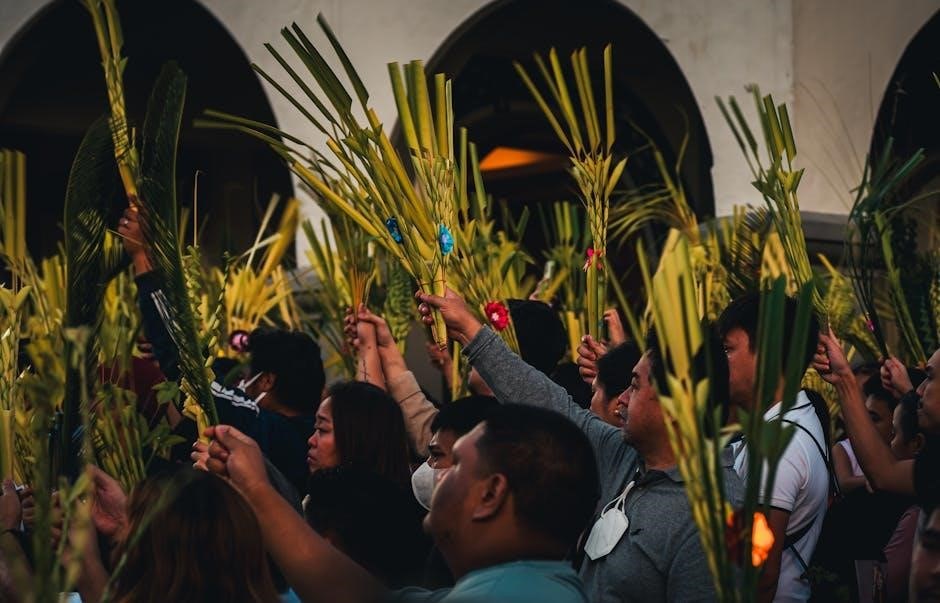
Reflecting on this contrast compels us to examine our own hearts. Do we truly understand what it means to follow Jesus‚ or do we simply seek blessings and comfort? Palm Sunday reminds us that discipleship involves embracing both joy and suffering‚ triumph and tragedy. It’s a call to unwavering faith‚ even in the face of adversity‚ recognizing that true victory lies in surrender to God’s will.
XIII. From Palm Branches to the Cross: A Rapid Shift in Fortune

The transition from Palm Sunday’s enthusiastic welcome to the agonizing events of Good Friday is breathtakingly swift. Within a mere week‚ the atmosphere transforms from celebratory adoration to hostile condemnation. This rapid descent underscores the fickle nature of public opinion and the fragility of earthly acclaim. The crowds who cried “Save us!” soon demand Jesus’ crucifixion‚ revealing a shocking lack of conviction.
This dramatic shift isn’t merely historical; it’s a powerful spiritual lesson. It demonstrates how quickly joy can turn to sorrow‚ hope to despair‚ and faith to doubt. The palm branches‚ symbols of victory and royalty‚ are replaced by the rough wood of the cross‚ a symbol of suffering and death. This stark contrast forces us to confront the reality of sin and its consequences.
Reflecting on this rapid change challenges us to examine the depth of our own commitment to Christ. Are we fair-weather followers‚ quick to praise Jesus when life is good‚ but abandoning Him in times of trouble? Palm Sunday’s swift turn serves as a sobering reminder that true discipleship requires unwavering loyalty‚ even when faced with adversity and sacrifice.
XIV. Personalizing the Message: Contemporary Relevance
Palm Sunday’s message transcends historical context‚ resonating deeply with modern-day struggles and triumphs. Consider how the crowd’s initial enthusiasm mirrors our own fleeting commitments – quick to embrace trends or causes‚ but often lacking sustained dedication. We‚ too‚ can be easily swayed by popular opinion‚ prioritizing convenience over conviction.
Relate the story to current issues like social justice‚ political polarization‚ or personal integrity. Ask your congregation: where do they place their “palm branches” – what do they elevate and celebrate? Are these values aligned with Christ’s teachings? Encourage self-reflection on areas where superficiality or compromise may be hindering spiritual growth.
Discuss the temptation to seek a “savior” who conforms to our expectations‚ rather than embracing the challenging call to discipleship. Palm Sunday reminds us that true kingship isn’t about power or prestige‚ but about service and sacrifice. Challenge your listeners to embody Christ’s humility and compassion in their daily lives‚ extending grace and forgiveness even to those who oppose them.
XV. Connecting Palm Sunday to Modern-Day Issues
The fervor of the Palm Sunday crowd finds echoes in contemporary political rallies and social movements. We witness similar displays of passionate support‚ often fueled by charismatic leaders and promises of change. However‚ just as quickly as the crowd hailed Jesus as king‚ they turned against him – a pattern repeated throughout history.
Draw parallels to current events where public opinion shifts dramatically‚ driven by media narratives or political maneuvering. Discuss the dangers of “bandwagon” faith – aligning oneself with popular causes without critical discernment. Explore the ethical implications of blindly following authority‚ and the importance of individual responsibility.
Consider the issue of “savior complexes” – the desire for a leader to solve all our problems. Palm Sunday challenges us to recognize that true salvation comes not from earthly power‚ but from a humble servant who willingly sacrificed himself. Encourage your congregation to be agents of change in their communities‚ embodying Christ’s love and compassion rather than seeking a quick fix from a political figure.
XVI. Visual Aids for Enhanced Engagement
To truly capture the drama of Palm Sunday‚ incorporate compelling visuals into your sermon. Begin with images depicting first-century Jerusalem – the bustling streets‚ the Temple Mount‚ and the typical attire of the people. Show artwork illustrating Jesus’ entry‚ emphasizing the contrast between his humble donkey and the grandeur expected of a king.

Consider a short video clip showcasing the modern-day celebration of Palm Sunday in different cultures‚ highlighting the universal symbolism of palm branches. An object lesson could involve presenting a simple wooden cross alongside a crown‚ visually representing the swift transition from triumph to tragedy.
Utilize maps to illustrate Jesus’ journey to Jerusalem and the geographical context of his ministry. PowerPoint slides with key scripture verses (John 12:12-15) can reinforce the message. Remember to keep visuals uncluttered and relevant‚ serving as enhancements to your words‚ not distractions. Ensure accessibility for all viewers‚ considering color contrast and font size.
XVII. Utilizing Images‚ Videos‚ and Object Lessons

Enhance sermon impact by strategically employing multimedia. High-resolution images of palm branches‚ donkeys‚ and ancient Jerusalem transport the congregation to the event’s setting. Short video segments depicting modern Palm Sunday celebrations globally demonstrate the enduring significance of this event. Consider a dramatic reading accompanied by relevant imagery projected on a screen.
An impactful object lesson involves presenting a regal robe and crown‚ then contrasting them with a simple wooden cross – symbolizing the shift from earthly kingship to spiritual sacrifice. Use maps to trace Jesus’ final journey‚ visually connecting locations mentioned in scripture. Interactive elements‚ like a brief poll asking about initial perceptions of Jesus as king‚ can boost engagement.
Ensure all visuals are copyright-free or appropriately licensed. Keep slides concise‚ focusing on key phrases and impactful images. Test all technology beforehand to avoid disruptions. Remember‚ these tools should amplify your message‚ not overshadow it‚ fostering a deeper connection with the narrative.