
Understanding Diastasis Recti
Diastasis recti frequently emerges during pregnancy, causing abdominal muscles to separate, often manifesting as a bulge near the belly button, impacting core strength and stability.
Pregnancy-related stretching and pressure, alongside heavy lifting, contribute to weakened connective tissue, leading to this common postpartum condition requiring focused attention and care.
Ignoring symptoms like a “popped” belly button or noticeable gap can hinder recovery; understanding the condition is the first step towards effective physiotherapy and healing.
What is Diastasis Recti?
Diastasis recti represents a separation of the rectus abdominis muscles – the muscles running vertically along your abdomen. This separation isn’t a hernia, but rather a stretching of the linea alba, the connective tissue joining these muscles. It commonly occurs during pregnancy as the uterus expands, placing significant pressure on the abdominal wall.
The degree of separation varies; it’s measured in finger widths. A slight separation is often normal during and immediately after pregnancy. However, a wider gap can lead to functional difficulties, impacting core stability, posture, and even breathing. Symptoms can include a noticeable bulge in the abdomen, particularly when straining, and a feeling of weakness.
Postpartum, the abdominal muscles ideally begin to come back together. However, factors like multiple pregnancies, advanced maternal age, or delivering larger babies can hinder this process. Recognizing the condition is crucial for initiating appropriate physiotherapy and preventing long-term complications.
Causes of Diastasis Recti
Diastasis recti primarily arises from increased intra-abdominal pressure. During pregnancy, the expanding uterus exerts significant outward force, stretching the abdominal muscles and the linea alba. This pressure isn’t limited to pregnancy; repeated heavy lifting, improper core engagement during exercise, and even chronic constipation can contribute.
Certain factors increase susceptibility. Multiple pregnancies, as each stretch further weakens the connective tissue, are a key contributor. Advanced maternal age and delivering babies with higher birth weights also elevate the risk. Genetics and pre-existing abdominal weakness can play a role, too.
The weakening of connective tissue itself is central. Hormonal changes during pregnancy, specifically relaxin, loosen ligaments and tendons throughout the body, including those in the abdominal wall, exacerbating the separation.
Symptoms and How to Identify It
Diastasis recti often presents as a noticeable vertical gap between the abdominal muscles, typically appearing as a bulge or tenting, especially when straining – like coughing, laughing, or during certain exercises. A “popped” belly button is a common visual cue, indicating outward pressure. However, the gap’s depth doesn’t always correlate with symptom severity.
Beyond the visual, symptoms include lower back pain, poor posture, and a feeling of weakness in the core. Digestive issues, such as bloating or constipation, can also occur due to reduced abdominal support. Identifying it involves a self-check: lie on your back, knees bent, and gently lift your head, feeling for a gap.
A qualified physiotherapist can perform a more accurate assessment, measuring the gap’s width and depth at various points along the abdomen, determining the severity and guiding appropriate treatment;

Physiotherapy for Diastasis Recti: A Comprehensive Guide

Physiotherapy is crucial for restoring abdominal muscle function, utilizing tailored exercises to gently rebuild core strength and reduce the gap effectively and safely.
The Role of a Physiotherapist
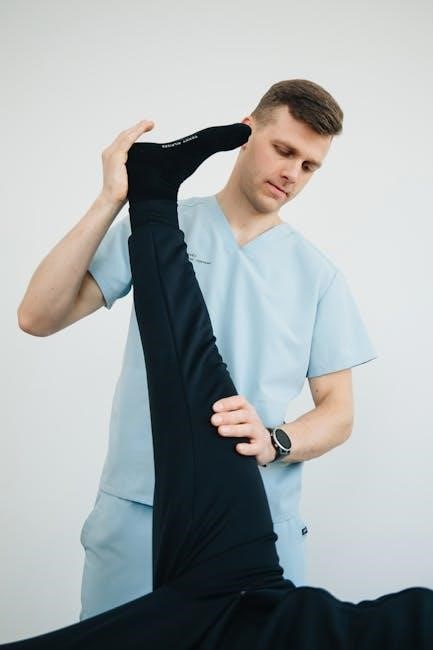
A skilled physiotherapist plays a pivotal role in addressing diastasis recti, offering specialized assessment and a personalized treatment journey for optimal recovery. They don’t just prescribe exercises; they meticulously evaluate the severity of the separation, considering individual factors like pregnancy history and lifestyle.
Crucially, a physiotherapist will teach proper core engagement techniques – far beyond simple “sucking in” – focusing on transverse abdominis activation to safely rebuild support. They’ll guide you through a progressive exercise program, ensuring correct form to avoid exacerbating the condition.
Furthermore, they provide education on body mechanics, posture, and safe lifting techniques, empowering you to manage symptoms and prevent recurrence. Seeking a qualified professional is essential for a targeted and effective approach to healing, avoiding potentially harmful exercises often found online without proper guidance.
Initial Assessment and Evaluation
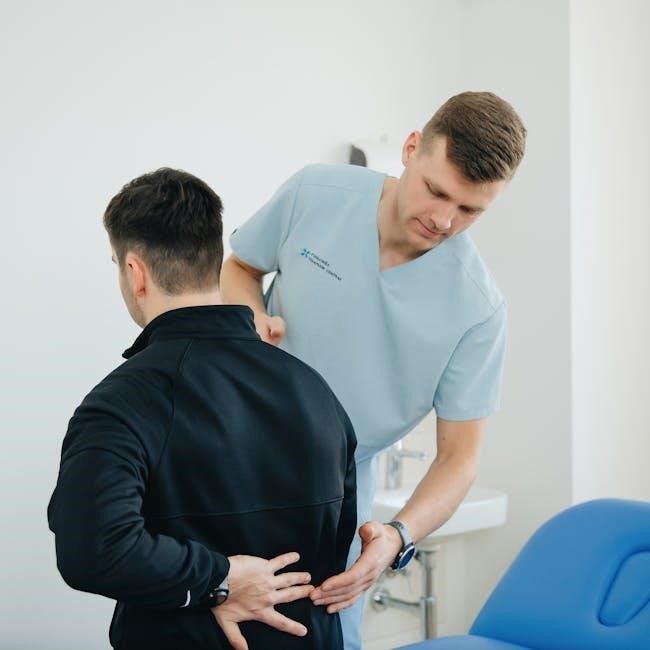
The first physiotherapy session centers around a thorough assessment to determine the extent of diastasis recti and identify contributing factors. This isn’t simply measuring the gap; it involves evaluating core muscle function, posture, breathing patterns, and pelvic floor strength – all interconnected elements.
The physiotherapist will likely have you perform specific movements, like gentle lifts or coughs, to observe abdominal behavior and assess the degree of coning or bulging. Palpation, carefully feeling the abdominal wall, helps pinpoint the location and width of the separation.
This detailed evaluation informs a personalized treatment plan, ensuring exercises are tailored to your specific needs and avoid movements that could worsen the condition. Understanding your body’s unique presentation is key to a successful recovery journey.
Personalized Treatment Plans
Following a comprehensive assessment, a physiotherapist crafts a treatment plan uniquely tailored to your diastasis recti severity and individual goals. This isn’t a one-size-fits-all approach; it’s about addressing your body’s specific needs.
Initial phases often focus on restoring deep core muscle activation – particularly the transverse abdominis – and improving breathing mechanics. Gentle exercises, like pelvic tilts and transverse abdominis contractions, form the foundation.
As strength improves, the plan progresses to incorporate functional movements, gradually reintroducing activities that challenge the core in a safe and controlled manner. Abdominal binders might be recommended temporarily for support, but aren’t a long-term solution. Consistent, progressive exercise is paramount.

Core Exercises for Diastasis Recti (Beginner Level)
Beginner exercises gently activate core muscles, focusing on rebuilding foundational strength without exacerbating the separation; consistency is key for positive results.
Pelvic Tilts
Pelvic tilts are a foundational exercise for initiating core engagement and addressing diastasis recti. Lie on your back with knees bent and feet flat on the floor. Gently tilt your pelvis backward, flattening your lower back against the surface, and then release, creating a small arch.
Focus on controlled movements, breathing deeply throughout the exercise. Avoid holding your breath or straining your abdominal muscles. This exercise helps reconnect with your deep core muscles and improves awareness of pelvic positioning.
Start with 10-15 repetitions, performing 2-3 sets daily. As you gain strength, you can progress by holding the tilted position for a few seconds. Proper form is crucial; if you notice coning or bulging of your abdomen, modify the exercise or consult a physiotherapist.
Transverse Abdominis Activation (TA)
Transverse Abdominis (TA) activation is a cornerstone of diastasis recti rehabilitation, focusing on strengthening the deepest abdominal muscle. Lie on your back with knees bent. Imagine gently drawing your belly button towards your spine, without holding your breath or tilting your pelvis.
This should feel like a subtle tightening, not a forceful contraction. Maintain normal breathing throughout the exercise. Visualize wrapping a corset around your waist. This exercise helps restore core stability and reduces abdominal pressure.
Begin with 10-15 repetitions, holding each contraction for 5-10 seconds, and repeat 2-3 sets. Avoid pushing your lower back into the floor. If you experience discomfort, reduce the hold time or consult a qualified physiotherapist for personalized guidance;
Heel Slides
Heel slides are a gentle exercise that engages the core while minimizing strain, making them ideal for individuals with diastasis recti. Lie on your back with your knees bent and feet flat on the floor. Maintaining TA activation (gently drawing your belly button towards your spine), slowly slide one heel away from your body, straightening your leg.
Keep your lower back pressed gently into the floor throughout the movement. Then, slowly slide your heel back to the starting position. Repeat on the other side. Focus on controlled movements and maintaining core engagement.
Perform 10-15 repetitions on each leg, completing 2-3 sets. Avoid arching your back or lifting your shoulders off the floor. This exercise improves core control and coordination without exacerbating the abdominal separation.
Intermediate Exercises for Strengthening
Progressing from beginner exercises, these movements build core strength with controlled engagement, focusing on stability and proper form to address diastasis recti.
Bird Dog Exercise
The Bird Dog exercise is an excellent intermediate step for rebuilding core stability while managing diastasis recti. Begin on your hands and knees, ensuring your back is flat – imagine a table top. Simultaneously extend one arm forward and the opposite leg backward, maintaining a neutral spine and avoiding arching.
Focus on engaging your deep core muscles – the transversus abdominis – to prevent any bulging or coning in your abdominal area. Hold for a few seconds, then slowly return to the starting position and repeat on the other side.
Key considerations include controlled movements, breathing deeply throughout the exercise, and modifying the range of motion if you feel any discomfort or coning. This exercise strengthens the core without placing excessive pressure on the abdominal wall, promoting healing and improved stability.
Dead Bug Exercise
The Dead Bug exercise is a fantastic intermediate core strengthening movement, particularly beneficial when addressing diastasis recti. Lie on your back with knees bent at 90 degrees and arms extended towards the ceiling. Maintaining a flat back – pressing it gently into the floor – slowly lower one arm overhead and the opposite leg towards the floor.
Crucially, avoid arching your lower back; focus on engaging your deep core to stabilize your spine. The goal is controlled movement, not speed or a large range of motion. Return to the starting position and repeat on the other side.
Remember to breathe consistently throughout the exercise and stop immediately if you notice any coning or bulging of your abdomen. This exercise builds core strength while minimizing strain on the abdominal muscles.
Modified Plank
The Modified Plank serves as an excellent intermediate exercise for strengthening the core while minimizing stress on the abdominal muscles, crucial for individuals with diastasis recti. Begin on your forearms and knees, ensuring your elbows are directly beneath your shoulders. Maintain a straight line from your head to your knees, engaging your core to prevent your hips from sagging or lifting.
Focus on drawing your belly button towards your spine and squeezing your glutes. Hold this position for 20-30 seconds, gradually increasing the duration as your strength improves. Avoid allowing your lower back to arch or round.
If you notice any coning or bulging in your abdomen, discontinue the exercise and revert to beginner-level core work. Proper form is paramount for safe and effective strengthening.
Advanced Exercises & Considerations
Progressive core strengthening builds upon foundational exercises, demanding increased control and stability; listen to your body and prioritize proper form throughout each movement.
Avoid high-impact activities and exercises that exacerbate abdominal coning, focusing instead on controlled movements that promote deep core engagement and muscle repair.
Progressive Core Strengthening
As your core strength improves, transitioning to more challenging exercises is crucial for complete recovery from diastasis recti. This progression should be gradual and guided by a physiotherapist, ensuring proper form and avoiding strain. Begin incorporating exercises that challenge your core in multiple planes of motion.
Consider variations of planks, progressing from knee planks to full planks, and then introducing plank taps or plank with shoulder rotations. Pallof presses, using resistance bands or cables, are excellent for anti-rotation core work. Focus on maintaining a neutral spine and engaging your transverse abdominis throughout each exercise.
Adding light weights or resistance can further challenge your core, but prioritize control over the amount of weight. Remember, the goal isn’t just to strengthen the abdominal muscles, but to restore their function and integrate them into your overall movement patterns. Consistent, mindful practice is key to long-term success.
Exercises to Avoid
Certain exercises can exacerbate diastasis recti and hinder the healing process, particularly in the initial stages of recovery. Traditional crunches and sit-ups place excessive strain on the separated abdominal muscles, potentially widening the gap. Avoid exercises that cause coning or bulging along the midline of your abdomen.
Similarly, twisting motions under load, like Russian twists or bicycle crunches, should be avoided as they can further stress the connective tissue. High-impact exercises, such as running or jumping, may also be too strenuous initially. Heavy lifting, especially with improper form, should be postponed until core strength is adequately restored.
Focus instead on exercises that promote core engagement without creating excessive pressure. Always listen to your body and modify or avoid any exercise that causes pain or discomfort. A qualified physiotherapist can provide personalized guidance on safe and effective exercise choices.

Resources & Further Information
Accessing reliable resources, including downloadable physiotherapy exercise PDFs, and finding a qualified professional are crucial steps for successful diastasis recti management and recovery.
Finding a Qualified Physiotherapist
Locating a physiotherapist specializing in postpartum rehabilitation and diastasis recti is paramount for personalized care. Seek professionals with specific training in this area, as not all physiotherapists possess the necessary expertise.
Look for credentials demonstrating advanced knowledge, such as post-graduate certifications focused on pelvic floor health and abdominal muscle rehabilitation. Many hospitals and clinics offer specialized women’s health physiotherapy services.
Don’t hesitate to inquire about their experience treating diastasis recti, their approach to assessment and treatment, and whether they utilize evidence-based exercises. A thorough initial assessment is vital to determine the severity of your condition and tailor a program accordingly.
Online directories and referrals from healthcare providers (doctors, midwives) can assist in your search. Remember, a qualified physiotherapist will provide a comprehensive plan, potentially including diastasis recti physiotherapy exercises PDF resources for home practice.
Diastasis Recti Physiotherapy Exercises PDF Resources
Numerous online resources offer diastasis recti physiotherapy exercises PDF guides, providing convenient access to rehabilitation programs. However, exercise caution and prioritize resources from reputable sources, such as qualified physiotherapists or established healthcare organizations.
These PDFs typically detail beginner, intermediate, and advanced exercises, focusing on core engagement, pelvic floor strengthening, and proper breathing techniques. Look for guides that emphasize gentle, progressive loading, avoiding movements that exacerbate the abdominal separation.
Remember, self-treating solely with PDF resources isn’t ideal; a personalized assessment from a physiotherapist is crucial. PDFs serve as supplementary tools to reinforce the treatment plan prescribed by a professional.
Ensure the PDF includes clear instructions, illustrations, and modifications for different fitness levels. Prioritize resources that emphasize proper form over repetitions, minimizing the risk of injury and maximizing effectiveness in closing the gap.