
Navigating the path to becoming a Patient Care Technician (PCT) requires dedicated study. Resources like NPS Certs offer comprehensive programs,
including CPCT certification previews, aiding in your preparation for a fulfilling healthcare career.

The Patient Care Technician (PCT) is a vital member of the healthcare team, bridging the gap between registered nurses and patients. This role demands a unique blend of technical skills and compassionate care, providing direct patient support under the supervision of medical professionals. PCTs are increasingly sought after as healthcare evolves, offering a dynamic career path for those dedicated to patient well-being.
Understanding the scope of a PCT’s responsibilities is crucial. They assist with activities of daily living (ADLs), such as bathing, dressing, and feeding, ensuring patient comfort and dignity. Accurate vital sign measurement – temperature, pulse, respiration, and blood pressure – is a cornerstone of the role, requiring meticulous attention to detail. Furthermore, PCTs often assist with basic wound care, phlebotomy, and electrocardiogram (EKG) procedures, contributing significantly to efficient patient monitoring.
Certification programs, like those offered by NPS Certs, are instrumental in preparing individuals for this multifaceted role. These programs provide a structured learning environment, covering essential medical terminology, infection control protocols, and legal/ethical considerations. A solid foundation in these areas is paramount for delivering safe and effective patient care, ultimately enhancing the quality of healthcare services.
Core Responsibilities of a PCT
Patient Care Technicians shoulder a diverse range of responsibilities, all centered around enhancing patient comfort and supporting clinical staff. A primary duty involves assisting patients with Activities of Daily Living (ADLs) – bathing, grooming, dressing, and mobility – promoting independence where possible and ensuring dignity at all times. Accurate and consistent vital sign measurement, including temperature, pulse, respiration rate, and blood pressure, forms a critical component of patient monitoring.

Beyond basic care, PCTs frequently contribute to more technical procedures. This includes assisting with wound care, following established protocols for cleaning and dressing, and potentially assisting with phlebotomy under supervision. Proficiency in electrocardiogram (EKG) basics is also often required, aiding in cardiac monitoring. Meticulous documentation of all observations and interventions is paramount, ensuring continuity of care.
Effective communication and teamwork are essential. PCTs act as a crucial link between patients, nurses, and other healthcare professionals. Programs like those previewed by NPS Certs emphasize the importance of these skills, preparing technicians to navigate the complexities of a healthcare setting and contribute to a positive patient experience.
Essential Skills for Patient Care Technicians
Becoming a proficient Patient Care Technician demands a blend of technical expertise and interpersonal abilities. Foundational skills include mastering vital signs measurement – accurately recording temperature, pulse, respiration, and blood pressure – and recognizing deviations requiring immediate attention. Competency in assisting with ADLs, like bathing, dressing, and feeding, is crucial, always prioritizing patient dignity and comfort.
Technical skills are equally vital. Proficiency in phlebotomy, even if assisting a phlebotomist, is often expected, alongside a basic understanding of electrocardiogram (EKG) procedures. Infection control protocols are non-negotiable, requiring strict adherence to hygiene standards and proper handling of biohazardous materials.
However, technical skills alone aren’t enough. Exceptional communication – both verbal and written – is paramount for effective teamwork and accurate documentation. Empathy, compassion, and a patient-centered approach are essential for building trust and providing holistic care. Resources like NPS Certs’ CPCT program preview highlight the importance of cultivating these well-rounded skills for success.
Basic Life Support (BLS) Certification
Basic Life Support (BLS) certification is an absolutely non-negotiable requirement for aspiring Patient Care Technicians (PCTs). It demonstrates a foundational competency in responding to life-threatening emergencies until advanced medical personnel arrive. BLS training equips PCTs with the skills to perform high-quality cardiopulmonary resuscitation (CPR), including chest compressions and rescue breaths, on adults, children, and infants.
Beyond CPR, BLS certification covers crucial techniques like recognizing and responding to choking victims, utilizing automated external defibrillators (AEDs), and managing other sudden illnesses or injuries. Maintaining current BLS certification is vital, typically requiring renewal every two years through approved organizations like the American Heart Association or the American Red Cross.
Many PCT certification programs, such as those previewed by NPS Certs, either require current BLS certification as a prerequisite or integrate BLS training into the curriculum. Employers universally demand BLS certification, recognizing its critical role in ensuring patient safety and providing immediate, life-saving interventions.
Certified Patient Care Technician (CPCT) Certification
The Certified Patient Care Technician (CPCT) certification is a nationally recognized credential validating a technician’s knowledge and skills in providing direct patient care; Offered by organizations like the National Patient Care Technician (NPCT) program – previewed on NPS Certs – CPCT certification signifies a commitment to professional standards and competency.
The CPCT exam typically assesses a broad range of skills, including vital signs measurement, infection control, basic wound care, patient hygiene, and assisting with activities of daily living (ADLs). Preparation often involves completing a CPCT training program covering these core competencies. Passing the exam demonstrates proficiency in essential patient care techniques.
Achieving CPCT certification can significantly enhance employment opportunities and earning potential for PCTs. Employers often prioritize candidates with this credential, recognizing it as a benchmark of quality and reliability. Resources like NPS Certs provide valuable information regarding CPCT registration and program details, aiding aspiring technicians in their certification journey.
NPS Certification Program Overview
The National Patient Care Technician (NPS) certification program offers a comprehensive pathway to becoming a qualified Patient Care Technician (PCT). As highlighted on NPS Certs, the program focuses on equipping individuals with the essential knowledge and practical skills needed to excel in various healthcare settings; It’s designed to meet the growing demand for skilled PCTs.
NPS’s CPCT certification program preview details a structured curriculum covering fundamental areas like vital signs, infection control, phlebotomy basics, electrocardiogram (EKG) principles, and patient safety protocols. The program emphasizes both theoretical understanding and hands-on training, ensuring graduates are well-prepared for real-world challenges.
The program’s accessibility and flexible learning options make it an attractive choice for aspiring PCTs. NPS Certs provides resources and registration information, facilitating a smooth enrollment process. Successful completion of the NPS program and passing the CPCT exam demonstrate a commitment to quality patient care and professional development, enhancing career prospects.
Phlebotomy Skills for PCTs
Phlebotomy, the practice of drawing blood, is a crucial skill for Patient Care Technicians (PCTs). While not always the primary focus, proficiency in venipuncture and capillary collection is frequently required in various healthcare settings. Understanding proper techniques ensures accurate lab results and patient comfort.
PCTs must master aseptic procedures to prevent infection during blood draws. This includes meticulous site preparation, proper use of personal protective equipment (PPE), and safe disposal of sharps. Knowledge of different blood collection tubes and their corresponding additives is also essential for accurate specimen handling.
Training programs, like those offered through NPS Certs, often incorporate phlebotomy basics into their curriculum. Aspiring PCTs learn to identify appropriate veins, minimize patient discomfort, and troubleshoot common challenges during the procedure. Competency in phlebotomy significantly expands a PCT’s skillset and employability, contributing to comprehensive patient care.
Electrocardiogram (EKG) Basics
Electrocardiograms (EKGs) are essential diagnostic tools used to assess a patient’s heart rhythm and electrical activity. Patient Care Technicians (PCTs) often assist with EKG procedures, requiring a foundational understanding of the process and basic interpretation.
PCTs learn to properly prepare patients for an EKG, ensuring skin is clean and free of lotions. They’re responsible for accurately attaching electrodes to specific locations on the chest, arms, and legs, following standardized protocols. Understanding lead placement is critical for obtaining a clear and reliable tracing.
While PCTs typically don’t interpret EKGs independently, they must recognize normal sinus rhythm and be able to identify artifacts or abnormalities to report to a physician or registered nurse. Familiarity with common EKG terms and wave patterns is beneficial. Resources and training programs, such as those previewed by NPS Certs, can provide a solid base in EKG fundamentals, enhancing a PCT’s contribution to cardiac patient care.
Vital Signs Measurement and Interpretation
Accurate vital sign measurement is a cornerstone of patient care, and a core responsibility of Patient Care Technicians (PCTs). These measurements – temperature, pulse, respiration rate, and blood pressure – provide crucial insights into a patient’s physiological status.
PCTs must master proper techniques for obtaining each vital sign, utilizing appropriate equipment and adhering to infection control protocols. Understanding normal ranges and recognizing deviations is equally important. For example, a PCT needs to know how to correctly use a sphygmomanometer and stethoscope to measure blood pressure, and identify potential sources of error.
Beyond simply recording numbers, PCTs are expected to observe and report any concerning trends or abnormalities to the nursing staff. This requires critical thinking and attention to detail. Comprehensive training programs, like those offered and previewed by organizations such as NPS Certs, emphasize both the technical skills and the clinical judgment necessary for effective vital sign assessment and interpretation, contributing to improved patient outcomes.
Patient Hygiene and Personal Care
Providing patient hygiene and personal care is a fundamental aspect of the Patient Care Technician (PCT) role, directly impacting patient comfort, dignity, and overall well-being. This encompasses a wide range of tasks, from assisting with bathing and oral hygiene to skin care and dressing.
PCTs must demonstrate sensitivity and respect for each patient’s individual needs and preferences, recognizing that illness or disability can significantly affect their ability to perform self-care. Proper techniques for assisting with hygiene are crucial to prevent skin breakdown and infection.

Maintaining a clean and safe environment is paramount. PCTs are responsible for ensuring patient rooms are tidy and sanitized, and for adhering to strict infection control protocols during all hygiene procedures. Thorough training, often previewed through programs like those offered by NPS Certs, equips PCTs with the skills and knowledge to deliver compassionate and effective personal care, contributing to a positive patient experience and promoting recovery.
Infection Control Protocols
Strict adherence to infection control protocols is non-negotiable for Patient Care Technicians (PCTs), safeguarding both patients and healthcare personnel. These protocols are designed to minimize the transmission of infectious agents within healthcare settings, preventing healthcare-associated infections (HAIs).
Key components include meticulous hand hygiene, utilizing appropriate personal protective equipment (PPE) – such as gloves, gowns, and masks – and proper handling and disposal of contaminated materials. PCTs must understand the difference between standard precautions and transmission-based precautions, applying the latter when dealing with patients known or suspected to have specific infections.
Environmental cleaning and disinfection are also critical, ensuring surfaces and equipment are thoroughly cleaned to eliminate pathogens. Comprehensive training, often highlighted in CPCT certification previews like those from NPS Certs, emphasizes the importance of these protocols and provides practical guidance for implementation. Consistent application of infection control measures is vital for maintaining a safe and healthy healthcare environment.
Medical Terminology for PCTs
A solid grasp of medical terminology is fundamental for Patient Care Technicians (PCTs), enabling accurate communication and comprehension within the healthcare team. This specialized language utilizes prefixes, suffixes, and root words to construct terms describing anatomy, physiology, diseases, and treatments.
PCTs must become proficient in understanding common abbreviations and acronyms frequently used in medical records and during patient care. Familiarity with terms related to body systems – cardiovascular, respiratory, neurological, and so on – is essential for interpreting physician orders and documenting patient observations effectively.
Resources supporting CPCT certification, such as previews offered by NPS Certs, often dedicate significant portions to medical terminology. Mastering this language isn’t merely about memorization; it’s about building a foundation for clear, concise, and error-free communication, ultimately contributing to improved patient safety and quality of care. Consistent study and practical application are key to building proficiency.
Documentation and Charting
Accurate and thorough documentation is a cornerstone of quality patient care, and a critical skill for Patient Care Technicians (PCTs). Charting serves as a legal record of patient assessments, interventions, and responses to treatment, facilitating continuity of care among healthcare professionals.
PCTs are responsible for documenting vital signs, observations regarding patient condition, assistance provided with activities of daily living, and any reported patient concerns. Documentation must be objective, factual, and free of subjective interpretations. Utilizing approved facility charting systems – whether electronic health records (EHRs) or paper-based – is paramount.
CPCT certification programs, like those previewed by NPS Certs, emphasize the importance of proper charting techniques. Understanding legal and ethical considerations surrounding documentation, including patient confidentiality (HIPAA), is also crucial. Precise and timely charting ensures patient safety, supports effective communication, and provides a valuable resource for ongoing care planning.
Communication Skills in Healthcare
Effective communication is fundamental to the Patient Care Technician (PCT) role, bridging the gap between patients, families, and the broader healthcare team. PCTs must demonstrate both verbal and non-verbal communication skills, fostering trust and ensuring patient understanding.
Active listening is paramount; PCTs should attentively hear patient concerns, acknowledging their feelings and providing empathetic responses. Clear and concise verbal communication is essential when reporting observations to nurses or physicians, utilizing appropriate medical terminology. Non-verbal cues, such as maintaining eye contact and using a calm tone, contribute significantly to building rapport.
CPCT certification preparation, as offered through programs like those previewed by NPS Certs, often includes modules on therapeutic communication techniques. Recognizing cultural differences and adapting communication styles accordingly is also vital. Strong communication skills minimize misunderstandings, promote patient safety, and contribute to a positive healthcare experience for all involved.
Patient Safety and Risk Management
Patient safety is the cornerstone of healthcare, and PCTs play a crucial role in minimizing risks and preventing adverse events. A comprehensive understanding of safety protocols and risk management strategies is essential for effective patient care.
PCTs must adhere to strict infection control measures, including proper hand hygiene, use of personal protective equipment (PPE), and safe handling of medical waste. Identifying and reporting potential hazards, such as trip hazards or malfunctioning equipment, is paramount. Familiarity with incident reporting procedures is also critical.
CPCT certification programs, like those offered and previewed by NPS Certs, emphasize patient safety principles. This includes understanding patient rights, maintaining confidentiality, and recognizing signs of abuse or neglect. Proactive risk management, coupled with vigilant observation and prompt intervention, contributes significantly to a safe and healing environment for patients. Continuous learning and adherence to best practices are vital in this dynamic field.
Wound Care Fundamentals
Effective wound care is a fundamental skill for Patient Care Technicians (PCTs), requiring a solid understanding of wound types, assessment, and appropriate treatment protocols. PCTs assist nurses in maintaining wound hygiene, applying dressings, and monitoring for signs of infection or complications.

Basic wound care principles include meticulous hand hygiene, utilizing sterile techniques, and selecting appropriate dressing materials based on wound characteristics. Recognizing different wound classifications – such as abrasions, lacerations, and pressure ulcers – is crucial for providing targeted care. Accurate documentation of wound appearance, drainage, and any changes observed is also essential.
CPCT certification programs, previewed by resources like NPS Certs, often incorporate comprehensive wound care modules. These modules cover topics like wound cleansing, debridement (under nurse supervision), and the importance of preventing cross-contamination. A proactive approach to wound care, combined with diligent observation and reporting, contributes to optimal healing and patient comfort.
Assisting with Activities of Daily Living (ADLs)
A significant portion of a Patient Care Technician’s (PCT) role involves assisting patients with Activities of Daily Living (ADLs). These encompass fundamental self-care tasks, including bathing, dressing, eating, toileting, and mobility. Providing compassionate and respectful assistance with ADLs promotes patient dignity and independence, fostering a positive care experience.
PCTs learn to adapt their approach based on individual patient needs and limitations, always prioritizing patient safety and comfort. This includes utilizing proper body mechanics to prevent injury during transfers and ambulation, and recognizing signs of discomfort or distress. Effective communication is key to understanding patient preferences and ensuring their active participation in their care.
CPCT certification programs, such as those offered and previewed by NPS Certs, emphasize the importance of ADL assistance. Training covers techniques for safe and effective assistance, as well as strategies for promoting patient autonomy. Mastering these skills is vital for providing holistic and patient-centered care within a healthcare setting.
Understanding Common Medical Conditions
Patient Care Technicians (PCTs) frequently interact with patients experiencing a wide range of medical conditions. A foundational understanding of these conditions is crucial for providing safe and effective care. This knowledge extends beyond simply recognizing symptoms; it involves comprehending the underlying pathophysiology, common treatments, and potential complications.
Common conditions PCTs may encounter include diabetes, heart failure, chronic obstructive pulmonary disease (COPD), and dementia. Familiarity with these conditions allows PCTs to anticipate patient needs, recognize changes in condition, and report observations accurately to the nursing staff. Understanding medication regimens and potential side effects is also essential.
Comprehensive PCT training programs, like those previewed by NPS Certs for CPCT certification, incorporate instruction on common medical conditions. This education equips PCTs with the knowledge to provide informed assistance and contribute to a collaborative healthcare team. Continuous learning and professional development are vital for staying current with evolving medical knowledge.
Geriatric Patient Care Considerations
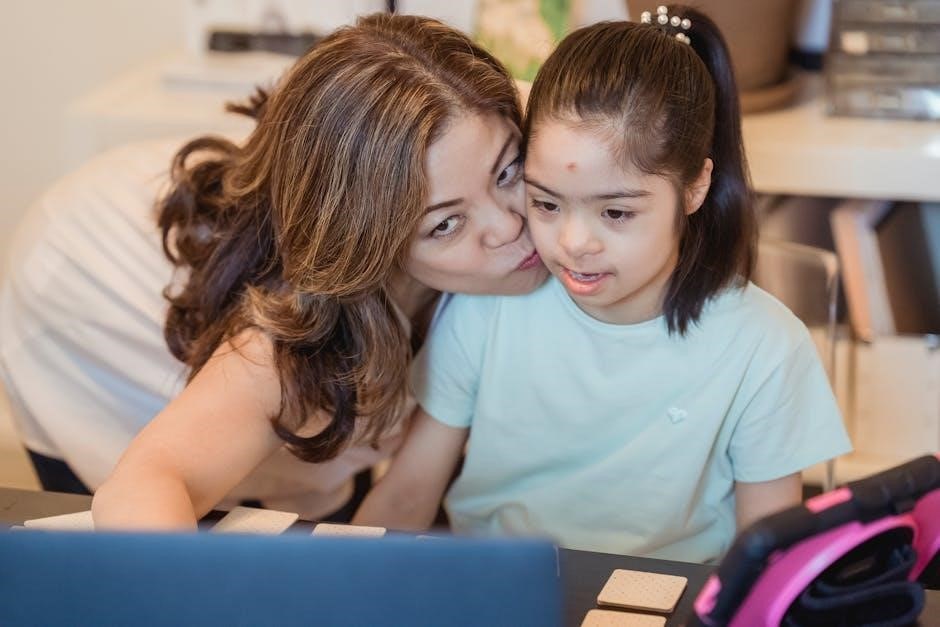
Providing care for elderly patients requires a specialized approach, recognizing the unique physiological and psychological changes associated with aging. Patient Care Technicians (PCTs) must demonstrate sensitivity, patience, and a thorough understanding of geriatric-specific needs. Common age-related conditions, such as arthritis, osteoporosis, and dementia, significantly impact care delivery.
PCTs working with geriatric patients should be adept at assisting with Activities of Daily Living (ADLs), including bathing, dressing, and mobility. Recognizing signs of cognitive decline and communicating effectively with patients experiencing memory loss are crucial skills. Fall prevention is paramount, requiring careful assessment of the patient’s environment and mobility limitations.
Training programs, such as those offered with CPCT certification previews from NPS Certs, emphasize the importance of person-centered care for geriatric populations. This involves respecting patient autonomy, promoting dignity, and addressing individual needs. Understanding the emotional and social challenges faced by elderly patients is equally important for providing holistic care.
Pediatric Patient Care Considerations
Caring for pediatric patients demands a distinct skillset, acknowledging their developmental stages and unique vulnerabilities. Patient Care Technicians (PCTs) must possess a gentle demeanor, excellent communication skills tailored for different age groups, and a strong understanding of childhood illnesses and injuries.
PCTs working with children need to be proficient in obtaining vital signs accurately, recognizing signs of distress, and providing age-appropriate emotional support. Creating a safe and comforting environment is crucial, often involving play and distraction techniques. Understanding common childhood fears and anxieties is essential for building trust.
Comprehensive training, potentially including modules within CPCT certification programs like those previewed by NPS Certs, should cover topics such as medication administration for children, infection control specific to pediatric settings, and recognizing signs of child abuse or neglect. Maintaining open communication with parents or guardians is paramount, ensuring collaborative and informed care decisions.
Legal and Ethical Considerations in Patient Care
Patient Care Technicians (PCTs) operate within a complex framework of legal and ethical guidelines, demanding a commitment to patient rights, confidentiality, and professional conduct. Understanding these principles is fundamental to providing safe and responsible care.
Key legal considerations include adhering to HIPAA regulations regarding patient privacy, recognizing mandatory reporting obligations (such as suspected abuse or neglect), and understanding the limits of their scope of practice. Ethical dilemmas frequently arise, requiring PCTs to prioritize patient well-being, respect autonomy, and maintain professional boundaries.
CPCT certification programs, like those offered and previewed by NPS Certs, often incorporate modules on legal and ethical responsibilities. These programs emphasize the importance of informed consent, accurate documentation, and avoiding conflicts of interest. PCTs must be prepared to advocate for patients, report unethical behavior, and uphold the highest standards of integrity in all aspects of their practice.
Resources for Continued Education and Professional Development
Maintaining competency as a Patient Care Technician (PCT) requires a commitment to lifelong learning. Numerous resources support ongoing professional development, ensuring PCTs stay abreast of evolving healthcare practices and technologies.
Organizations like the National Patient Care Technician Association offer continuing education units (CEUs) and specialized training programs. NPS Certs provides valuable previews of their CPCT certification programs, alongside potential opportunities for advanced certifications and skill enhancement. Online platforms deliver a wealth of courses covering topics from advanced wound care to geriatric patient management.
Professional journals, industry conferences, and hospital-sponsored workshops further contribute to ongoing education. Networking with colleagues and participating in mentorship programs can also foster professional growth. Investing in continued education not only enhances clinical skills but also demonstrates a dedication to providing the highest quality patient care, ultimately benefiting both the PCT and the individuals they serve.